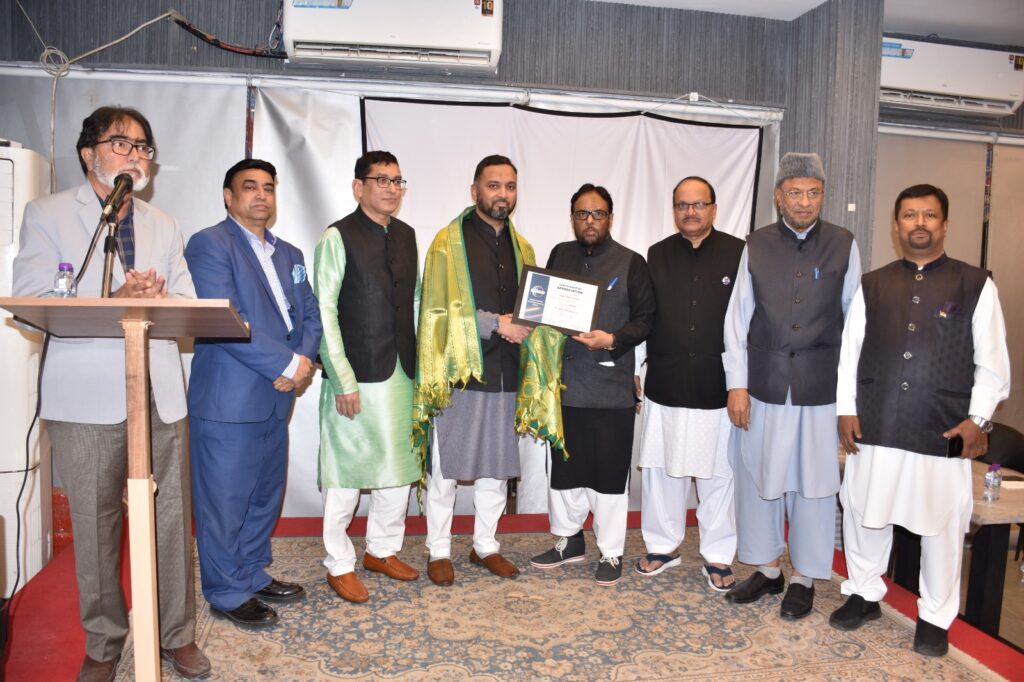
By Mohammed Saifuddin
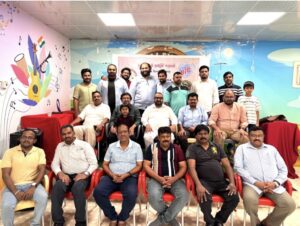
RIYADH — At a distinguished gathering in the capital, renowned scholar Abdul Moeed Naveed emphasized that Zakat must be treated as a collective, organized obligation rather than a scattered individual act. Speaking at the annual Suhoor program hosted by the Bazm Urdu Toastmasters Club Riyadh, he highlighted that the ultimate spirit of Zakat is to empower the needy so that “Zakat takers” today can become “Zakat givers” tomorrow.
The Vision of Collective Empowerment
Addressing the theme “Rules and Issues of Zakat,” Scholar Abdul Moeed drew parallels between Zakat, Prayer (Salah), and Hajj, noting that all are inherently collective acts. He reminded the audience of the era of the Rightly Guided Caliphs, where the Bait-ul-Mal (Public Treasury) managed Zakat so effectively that it eventually became difficult to find anyone in need of financial assistance.
“In the absence of a centralized Bait-ul-Mal in the modern era, it is the responsibility of contemporary institutions and charitable organizations to take the initiative and organize the collection and distribution of Zakat with the same spirit of systemic reform,” Abdul Moeed stated.
The Eight Beneficiaries of Zakat
Referencing Surah At-Tawbah (Verse 60) of the Holy Quran, the scholar clarified the eight specific categories of people eligible to receive Zakat to ensure funds are channeled correctly:
- The Poor (Al-Fuqara)
- The Needy (Al-Masakin)
- Zakat Administrators
- Those whose hearts are to be reconciled
- To free those in bondage (slaves/captives)
- Those burdened with debt
- In the cause of Allah
- The wayfarer (stranded travelers)
Event Highlights
The program, which blended spiritual reflection with community engagement, featured several key segments:
- Opening: The session commenced with a soulful recitation of the Holy Quran by Mohammed Numairuddin, followed by a moving Naat Sharif presented by eminent poet Iftikhar Raghib.
- Introductions: Mohammad Saifuddin, President of Hindustani Bazm-e-Urdu, introduced the organization’s vision and the specific objectives behind establishing the Urdu Toastmasters Club.
- Keynote Introduction: DTM Mohammed Mubeen formally introduced the keynote speaker, Scholar Abdul Moeed Naveed, to the audience.
- Moderation: The proceedings were smoothly conducted by DTM Syed Nasir Khursheed.
- Closing: The event concluded with a vote of thanks by Syed Abdul Hamid, followed by a traditional Suhoor meal for all attendees.
The session served as a vital reminder for the Muslim community in Riyadh to approach the upcoming conclusion of Ramadan with a renewed focus on systematic and impactful charity.