
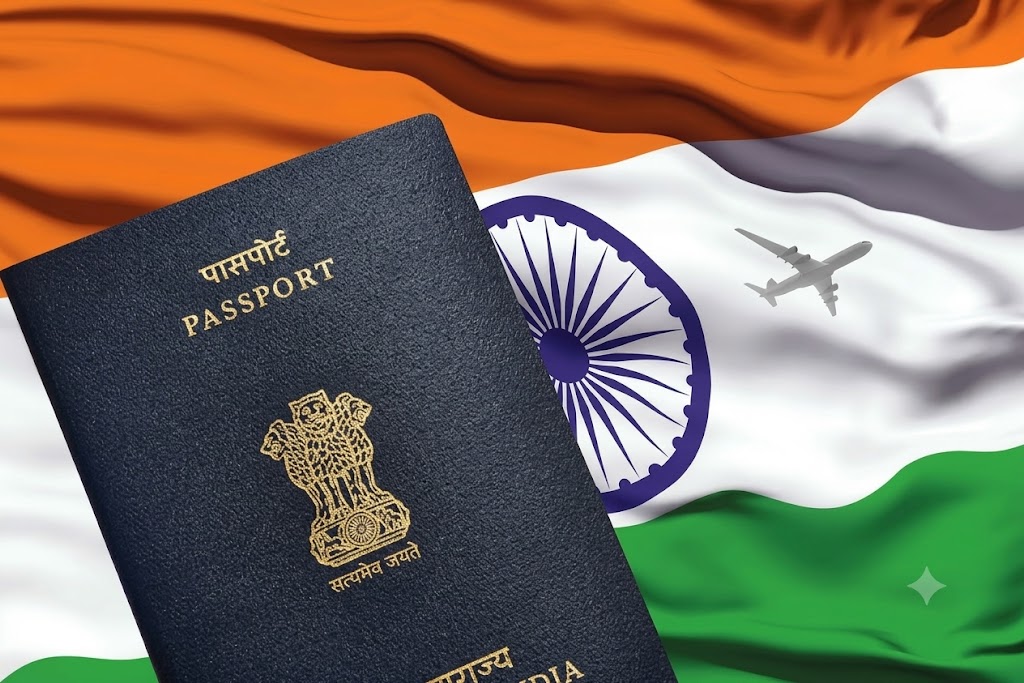
The legal landscape surrounding the Right to Information (RTI) Act has reached a definitive clarification for the Indian diaspora. Government records confirm that Non-Resident Indians (NRIs) possess the right to file RTI applications to access information from Indian public authorities. This recognition rests on their legal status as Indian citizens. Conversely, the government maintains that Overseas Citizen of India (OCI) and Person of Indian Origin (PIO) cardholders do not share this right.
The distinction centers on the legal definition of citizenship. Under the RTI Act, the privilege of seeking information is reserved exclusively for Indian citizens. The Ministry of External Affairs has clarified that while NRIs remain Indian citizens by virtue of holding valid Indian passports, OCI and PIO holders are legally classified as foreign nationals. Despite the unique benefits and privileges granted to these cardholders, they do not meet the statutory requirement of citizenship.
This interpretation, rooted in inter-ministerial discussions, underscores the boundary between travel documentation and national status. The government recently reiterated that an Indian passport functions primarily as a travel document. Officials emphasized that citizenship itself is determined strictly under the Citizenship Act of 1955. This stance has sparked significant political debate regarding what constitutes definitive proof of nationality.
Some political leaders have criticized the distinction, labeling the separation of passport possession and citizenship status as an unnecessary legal paradox. They argue that the government must address the complexities facing Indians living abroad. Meanwhile, legal experts maintain that the current position aligns with existing statutory frameworks. Courts have previously noted that a passport alone does not serve as absolute proof of citizenship when other legal challenges arise.
For the millions of Indians living across the globe, this clarification serves as a stark reminder of the legal limitations tied to different residency and documentation statuses. While NRIs continue to enjoy the democratic tools available to citizens, those holding OCI or PIO status must navigate different avenues to engage with Indian governance. As the debate over citizenship proof intensifies, the diaspora continues to watch for potential legislative adjustments that might reshape these long-standing boundaries.